
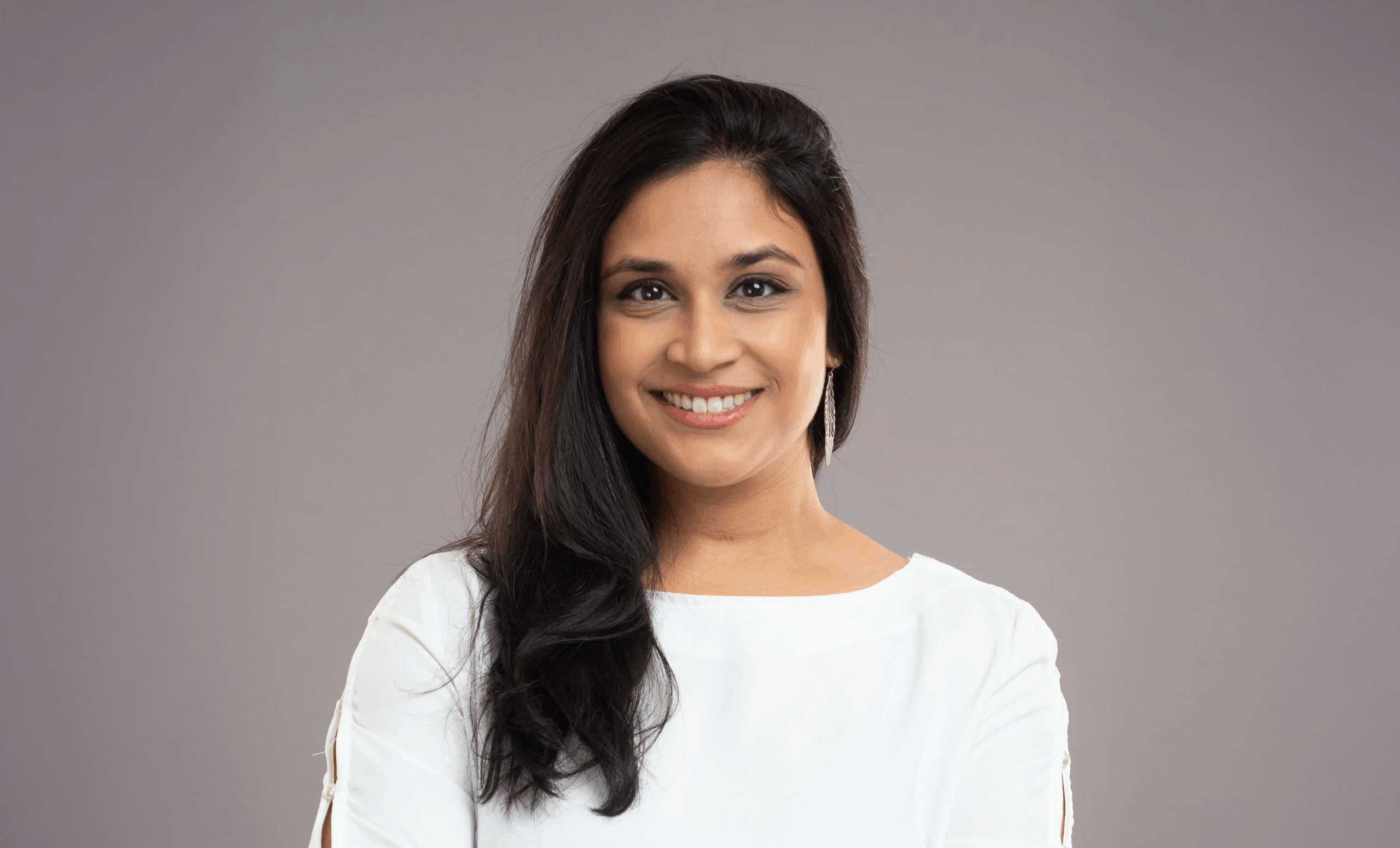
Spotlight: Dr. Nadha Hassen
As part of our spotlight series, we sat down with Nadha Hassen, one of our postdoctoral fellows, to learn more about her interdisciplinary research and how it contributes to health emergency preparedness and equity. Nadha’s work explores the intersection of public health, urban environments, and community-led approaches to resilience.
Tell us about yourself
I began my academic studies at the University of Toronto (U of T), where I studied architectural studies (design concentration) and minored in biology and, environment and science. While working with community organizations, I became increasingly aware of the social factors that influence health. That led me back to U of T for a Master of Public Health at the Dalla Lana School of Public Health, specializing in health promotion. I later completed a PhD in Environmental Studies at York University, where my research focused on the intersections of health equity and urban greenspaces in two Toronto neighbourhoods. My academic journey has always been rooted in community-engaged research and understanding those social, structural, and environmental determinants of health.
Describe your current research and how it contributes to health emergency preparedness, resilience, or recovery?
My postdoctoral research explores community-led nature prescribing, also known as green social prescribing, which connects people to nature-based activities, like walking groups and community gardening, to support physical, mental, and social health. Ultimately, I’m exploring how this approach can serve as a preventative tool to ease pressure on public health systems during future emergencies. This approach considers upstream, preventative strategies that build individual and community resilience.
I focus on equity and lived/living experience, especially among marginalized communities, to inform inclusive, preventative approaches that build resilience. The COVID-19 pandemic underscored the necessity of nature for well-being and the inequities in access to safe, high-quality, health-promoting urban greenspaces; my work builds on that awareness to shape effective, community-driven models for equitable access to green spaces and care.
What motivated you to focus on health emergencies and pandemics in your work?
I’ve always been interested in the connection between nature, built environments, and public health, which I explored in previous research. The COVID-19 pandemic really highlighted existing inequities and reinforced the need to design healthy and just cities for everyone. During that time, I published an article advocating for racial justice and health equity through green spaces. Integrating these ideas into current policies and programs and taking interdisciplinary action can support long-term public health impact.
How do you envision your research influencing real-world responses to future health crises?
I envision this research demonstrating the value of community-led, nature-based interventions and encouraging health systems to integrate these approaches into their structures, ensuring that responses are not only rapid but also equitable and responding to community needs. I’ve always seen research as action-oriented, it should influence policy and practice.
I’m currently working with Park People, a nonprofit that supports community park groups across Canada, and the Canadian Institute for Social Prescribing to identify challenges and co-develop solutions for nature prescribing initiatives in Canada. As co-production with communities can be limited in social prescribing interventions, this project centers the voices of communities, including those facing social barriers and marginalization, to put forward a community-led NatureRx agenda that is meaningful, sustainable, and responsive to community needs.
There will be a community advisory group guiding this work and a national survey to find out who’s doing this work and what challenges and barriers exist in this space. We want to build something that’s practical, inclusive, and truly reflects community needs.
What have you learned from working at the intersection of fields?
Working at the intersection of different disciplines has taught me the value of seeing problems from multiple angles and deepened my understanding of how the built and natural environments shape health outcomes. It’s not always easy, academic departments can be siloed, and I’ve often had to explain how public health connects to geography, or why health equity should be rooted in understanding spaces and places. However, these connections are becoming better understood. But this cross-disciplinary work opens new ways of thinking and helps uncover patterns that might otherwise be missed. It’s especially powerful for addressing complex issues like access to green spaces and mobility infrastructure, where solutions need to reflect both lived/living experiences and the intersectionality of those experiences and data.
How is the fellowship supporting your development as a researcher and contributor to health emergency preparedness?
My work has always been interdisciplinary and I’m excited that there is growing understanding of the value of interdisciplinary research, policy, and practice. The fellowship is helping me grow as a researcher by providing mentorship, collaboration opportunities, and support for putting research into practice. It’s a space that values interdisciplinary work and encourages me to engage with a network of people who share similar goals.
Beyond your research, what other activities will you contribute to the institute?
I’m hoping to support the Institute’s equity-focused research culture through knowledge-sharing initiatives, such as a future webinar to share lessons from community-engaged projects, including the process, challenges, and insights from working directly with communities. I’m looking forward to contributing to spaces that foster dialogue and learning and sharing what I learn along the way.
How do you see your work contributing to long-term improvements in preparedness, health system resilience, or equitable policies?
I see my work contributing to long-term change by helping strengthen public health systems through community-led nature prescribing, a unique, upstream approach to supporting public health and community resilience. This model can ease pressure on health systems during future emergencies by offering preventative support rooted in community needs. Through my research, I aim to show the importance of engaging communities from the outset, not as an afterthought, and how their lived/living experiences can inform more sustainable and equitable responses to future health crises. It’s about prioritizing prevention and well-being for everyone, especially those most impacted by emergencies.